Tucked away in western Kenya lies Kakamega Forest National Reserve, a hidden gem for nature lovers, birdwatchers, and eco-travelers. Unlike the open savannahs that Kenya is famous for, Kakamega Forest offers a different kind of adventure – a lush tropical rainforest that is both peaceful and teeming with life.
A Living Relic of Africa’s Rainforests
Kakamega Forest is the only surviving remnant of the Guineo-Congolian rainforest that once stretched across Central Africa. Covering about 238 square kilometers, this ancient forest is over a million years old and provides a glimpse into Africa’s ecological past.
Walking through its dense canopy, you’ll hear the symphony of birds, the chatter of monkeys, and the rustle of leaves, creating an atmosphere unlike anywhere else in Kenya.
Wildlife in Kakamega Forest
The reserve may not have the “Big Five,” but it is rich in unique biodiversity. It is home to:
- Mammals: De Brazza’s monkeys, colobus monkeys, bush pigs, and giant forest hedgehogs.
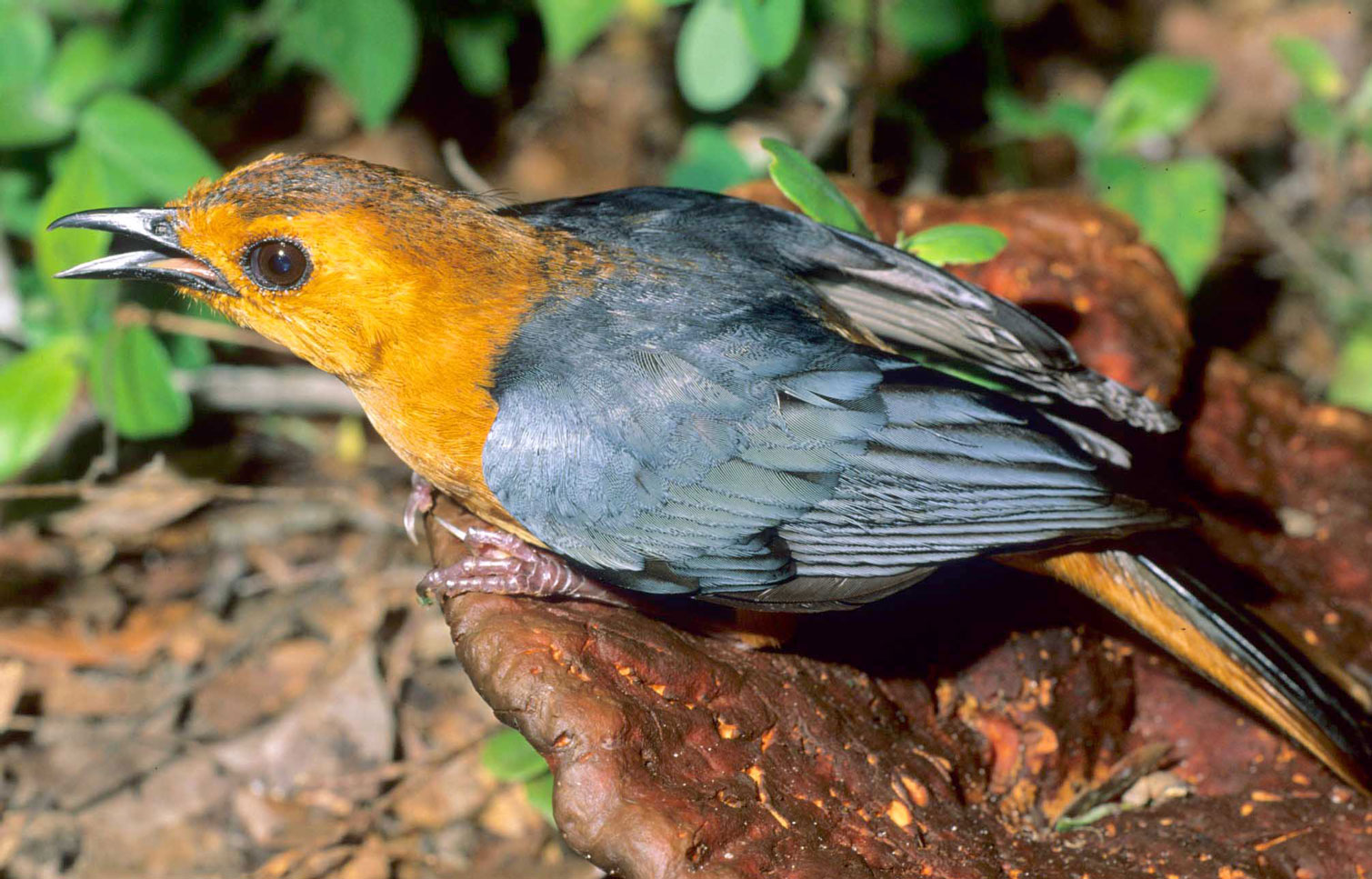
- Birds: Over 360 bird species, including the Great Blue Turaco, Grey Parrot, and the Blue-headed Bee-eater – making it a birdwatcher’s paradise.
- Butterflies & insects: More than 400 butterfly species flutter through the forest, alongside rare reptiles and amphibians.
- Flora: Towering hardwood trees, medicinal plants, and an undergrowth bursting with ferns and orchids.
Activities in Kakamega Forest
Visitors can enjoy a range of eco-friendly experiences, including:
- 🌳 Guided nature walks – Learn about rare plants, trees, and traditional medicine.
- 🦜 Birdwatching tours – Spot some of Africa’s rarest and most colorful birds.
- 🐒 Primate tracking – Observe playful monkeys in their natural habitat.
- 🌄 Sunrise hikes to Lirhanda Hill – Catch breathtaking views of the forest canopy at dawn.
- 🏕️ Camping & picnics – Spend a night surrounded by the sounds of the forest.
Cultural Experiences
Kakamega is also rich in culture. Visitors can interact with Luhya communities, learn about their traditions, music, and folklore, and even witness traditional dances that celebrate the forest as a source of life and spirituality.
Best Time to Visit Kakamega Forest
The forest is open year-round, but the dry season (December – February and June – August) is the most comfortable for trekking and birdwatching. The wet season, however, enhances the rainforest’s beauty, with waterfalls flowing and vegetation at its greenest.
Conservation Importance
Kakamega Forest is not only a tourist attraction but also a critical conservation area. It serves as a carbon sink, regulates rainfall patterns, and provides habitat for species found nowhere else in Kenya. Efforts by the Kenya Wildlife Service (KWS) and local communities continue to protect this fragile ecosystem from deforestation and encroachment.
Why Visit Kakamega Forest National Reserve?
- Explore Kenya’s only tropical rainforest.
- Spot rare birds and primates not found in savannah parks.
- Experience eco-tourism and cultural encounters.
- Enjoy peaceful, off-the-beaten-path adventures away from the crowds.